Acerra dente di morto bean
Acerra dente di morto bean
Acerra dente di morto bean: a near-invisible skin and a quick cook
Slow Food PresidiumTraditional (PAT)
For sale at opening Bottega Apulica
Acerra dente di morto bean: a near-invisible skin and a quick cook
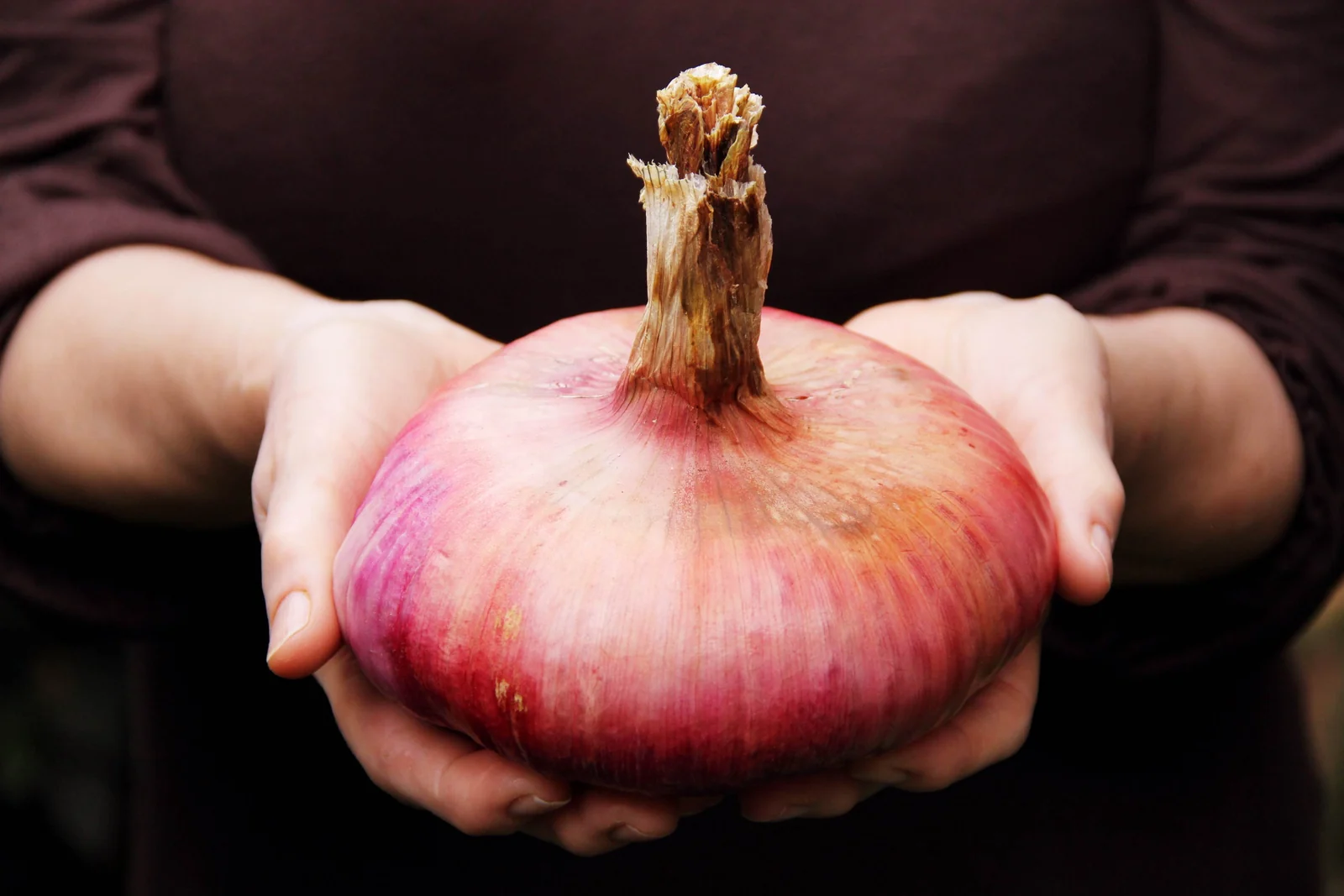
Acquaviva red onion: a flat, sweet disc from the 'onion town'
Foto: Massimiliano Ruggieri / Wikimedia Commons — CC BY-SA 4.0 · Source · Licence · Author
Airola onion, a Slow Food Presidium: copper-skinned sweetness from the Caudina valley
Aitana olive of the Tifatini hills: flesh soft enough to slip off by hand
Alife onion, a Slow Food Presidium: copper-red, sweet and braided into 'nserte
Altamura lentil PGI: a sweeter pulse from the Murgia plateau
Altino sweet pepper, a little red horn that grows pointing skywards
Atessa dried reale fig, walnut-filled and laid down with bay leaves
Bagno onion, a big sugary bulb kept alive in the gardens around L'Aquila

Bagnoli Irpino black truffle, the bold-scented black of the Picentini Mountains
Foto: Oldsoft / Wikimedia Commons — CC BY-SA 3.0 · Source · Licence · Author
Baked olives of Ferrandina: majatica olives, dried until savoury and sweet
Baresana grape: glassy, thin-skinned table grapes from the Bari area
Basilicata strawberry PGI: a long Ionian season, from November to June
Belladonna orange of San Giuseppe: the late orange once sent to the tsars
Belmonte tomato: a pink oxheart brought home from America in the early 1900s

Bergamotto di Reggio Calabria PDO: cold-extracted bergamot essential oil
Foto: io / Wikimedia Commons — Public domain · Source · Licence
Black chickpea of the karst Murgia: small, wrinkled, faintly herbal
Brindisi artichoke PGI, tender enough to eat raw
Caiazzo table olive: dark to the stone and finished in the oven
Capitignano parsnip, the Christmas Eve root of the upper Aterno valley

Carciofo di Paestum PGI: the round, spineless artichoke of the Sele plain
Foto: Katiuscia Noseda / Wikimedia Commons — CC BY-SA 2.0 · Source · Licence
Carpino broad bean: small, dried, and threshed by horses on the farmyard floor
Castagna di Montella PGI: Irpinia's dove-shaped Palummina, sweet and crisp

Castagna di Roccamonfina PGI: Italy's earliest chestnut, from an extinct volcano
Foto: Ursula_iris / Wikimedia Commons — CC BY 3.0 · Source · Licence
Castellammare violet artichoke: an early Stabia crop, pale and tender under terracotta
Castrovillari white onion: sweet enough to eat raw
Cavolfiore della Piana del Sele PGI: firm, sweet curds the whole year round

Cedro di Santa Maria del Cedro PDO: the citron of Calabria's Riviera dei Cedri
Foto: Angelo Adduci61 / Wikimedia Commons — CC BY-SA 4.0 · Source · Licence · Author
Cicerale chickpea, a Slow Food Presidium: small, golden, on the village crest
Cilento crushed salella olives, split by hand with a stone from the sea
Ciliegia di Bracigliano PGI: crisp, heart-shaped cherries from the 'cherry country'
Cipolla ramata di Montoro: a copper onion built for long, slow cooking

Cipolla Rossa di Tropea Calabria PGI: three ecotypes from Tyrrhenian sands
Foto: Ensahequ / Wikimedia Commons — CC BY-SA 4.0 · Source · Licence · Author
Cipollotto Nocerino PDO: a white, tender spring onion from the Sarno valley

Clementine di Calabria PGI: easy to peel, all but seedless
Foto: Rhododendrites / Wikimedia Commons — CC BY-SA 4.0 · Source · Licence · Author

Controne bean: a small Alburni white that cooks in no time
Foto: Kataldik (talk) / Wikimedia Commons — CC BY-SA 4.0 · Source · Licence · Author
Cortale beans: five heirloom varieties from the Catanzaro hills
Fara Filiorum Petri white onion, the flat sweet piattona of the Foro valley
Fiaschetto tomato of Torre Guaceto: a sauce tomato from a nature reserve
Fichi di Cosenza PDO: Dottato figs that start drying on the tree

Fico Bianco del Cilento PDO: pale-skinned dried figs with dense, sweet flesh
Foto: Bodulinek / Wikimedia Commons — CC BY-SA 2.0 · Source · Licence
Finocchio di Isola Capo Rizzuto PGI: sweet, crisp fennel from the Ionian shore

Carota dell'Altopiano del Fucino PGI, sweet and crisp from an old lakebed
Foto: Marica Massaro / Wikimedia Commons — CC BY-SA 4.0 · Source · Licence · Author

Fucino potato PGI, grown on the bed of a drained lake in the Abruzzo uplands
Foto: Marica Massaro / Wikimedia Commons — CC BY-SA 4.0 · Source · Licence · Author

Galatina new potato PDO: an early crop from Salento's red earth
Foto: Florixc / Wikimedia Commons — CC0 · Source · Licence · Author

Gargano Femminello lemon PGI: fragrant peel from Puglia's northern coast
Foto: Jpbrigand / Wikimedia Commons — CC BY-SA 4.0 · Source · Licence · Author
Gargano orange PGI, from terraced groves on the promontory's north coast

Geracese olive: a late-ripening Locride variety with a herbal bite
Foto: Marcuscalabresus / Wikimedia Commons — CC BY-SA 4.0 · Source · Licence · Author
Gesualdo celery: Irpinia's accio, bright green and sweet to the heart
Giallorosso tomato of Crispiano: golden keeping tomatoes from the masserie

Gulf of Taranto clementines PGI: seedless, fragrant, picked by hand
Foto: Holapaco77 / Wikimedia Commons — CC BY-SA 3.0 · Source · Licence · Author
Intosso olive of Casoli, brine-cured on a gravel plateau below the Majella

La Bella della Daunia PDO: big, fleshy table olives from the Cerignola plain
Foto: Food snob site / Wikimedia Commons — CC BY-SA 2.0 · Source · Licence

Lampascioni: wild tassel hyacinth bulbs dug by hand in Puglia
Foto: Lucarelli / Wikimedia Commons — CC BY-SA 3.0 · Source · Licence · Author
Lentiscosa maracuoccio: a bitter-edged legume from the hills of Camerota

Limone Costa d'Amalfi PGI: the Sfusato lemon of the sea-facing terraces
Foto: Yvon from Netherlands / Wikimedia Commons — CC BY 2.0 · Source · Licence

Limone di Rocca Imperiale PGI: Femminello lemons picked year-round
Foto: Jpbrigand / Wikimedia Commons — CC BY-SA 4.0 · Source · Licence · Author

Limone di Sorrento PGI: the Ovale lemon ripened in the shade of straw mats
Foto: Brad Coy / Wikimedia Commons — CC BY 2.0 · Source · Licence

Liquirizia di Calabria PDO: Cordara liquorice, from root to black extract
Foto: Museo della Liquirizia Giorgio Amarelli / Wikimedia Commons — CC BY-SA 4.0 · Source · Licence
Longobardi violet aubergine: a club-shaped purple fruit from the Cosenza coast
Manduria cherry tomato: a dry-farmed village tomato from Taranto

Marrone di Roccadaspide PGI: a large chestnut that peels with ease
Foto: Antonio Sabetta / Wikimedia Commons — Public domain · Source · Licence
Marrone di Serino PGI: chestnuts from the volcanic Picentini hills
Marzellina wheat: a spring-sown durum from the Sannio and Irpinia uplands

Melannurca Campana PGI: the apple that blushes red on the ground
Foto: Marilèna Norato / Wikimedia Commons — CC BY-SA 2.0 · Source · Licence
Mischiglio: a flour of grain and pulses from the Serrapotamo valley

Molise white truffle: Tuber magnatum from the autumn woods
Foto: Marco Plassio / Wikimedia Commons — CC BY-SA 3.0 · Source · Licence · Author
Montonico grape, hung from the rafters to dry for the Christmas table
Navelli chickpea, a small upland legume from the saffron plain
Neapolitan papaccella pepper: small, deeply ribbed and sweet
Nicastro pink garlic: a bold scent with a gentle bite
Nocciola di Giffoni PGI: the Picentini hazelnut that skins in a moment
Old Ufita garlic: a red-purple, fiery heirloom from Irpinia
Paganica beans: climbing heirlooms from the Vera basin below the Gran Sasso
Pappaluni beans: climbing Aspromonte runners with seeds no two alike
Patata della Sila PGI: slow-grown on Calabria's cold, dry upland
Paternopoli April broccoli: spring shoots from Irpinian gardens

Peperoncino di Calabria PGI: Calabrian chilli, fresh, dried or strung
Foto: Marco Lazzaroni / Flickr — CC BY 2.0 · Source · Licence · Author
Pertosa white artichoke: silvery, spineless and tender to the heart
Pietrelcina artichoke, a Slow Food Presidium: rain-fed, tender, bunched with river rushes

Polignano carrot, pale yellow to deep purple, sweet with a salty edge
Foto: Angelo Signore / Wikimedia Commons — CC BY-SA 3.0 · Source · Licence · Author
Pomodorino del Piennolo del Vesuvio PDO, hand-braided and hung to last the winter
Pomodoro San Marzano dell'Agro Sarnese-Nocerino PDO, a peeled tomato made for sauce
Poverello white bean: big, glossy seeds from the Pollino's watered plots

Prickly pear: fragrant late-summer flesh inside a coat of spines
Foto: marco polo / Flickr — Public domain · Source · Licence · Author

Puglia table grapes PGI: five varieties, July to December
Foto: AntonioCaso93 / Wikimedia Commons — CC BY-SA 4.0 · Source · Licence · Author
Pulsano beans: carmine red, and the white 'lady's bean' with a lipstick mark
Red onion of the Margherita di Savoia salt pans, grown between salt and sea
Regina tomato of Torre Canne: hung on the string, kept until April

Rosso scritto bean of the Pantano di Pignola: dark red script on a beige seed
Foto: Grazia Curci / Wikimedia Commons — CC BY-SA 4.0 · Source · Licence · Author

Rotonda red aubergine PDO: tomato-shaped, with a spicy, bitter-edged bite
Foto: Generale Lee / Wikimedia Commons — CC BY-SA 4.0 · Source · Licence · Author
Rotonda white beans PDO: thin-skinned, quick-cooking beans from the Pollino
Rucola della Piana del Sele PGI: narrow, crisp leaves with a peppery bite
Santo Stefano di Sessanio lentil, a tiny dark seed from high on the Gran Sasso

Sarconi bean PGI: a whole family of landraces from the upper Agri valley
Foto: Generale Lee / Wikimedia Commons — CC BY-SA 4.0 · Source · Licence · Author

Senise peppers PGI: sweet, thin-fleshed and made for drying on a string
Foto: Francesco Cirigliano / Wikimedia Commons — CC BY 2.0 · Source · Licence
Signora pear of the Sinni valley: a small, fragrant fruit of shepherds' grafts
Smooth chickpeas of Cassano delle Murge, brick red to almost black

Solina wheat, the old Abruzzo grain that winters under Gran Sasso snow
Foto: Marica Massaro / Wikimedia Commons — CC BY-SA 4.0 · Source · Licence · Author
Somma cherry of the Lattari mountains: red with a white tip, a Slow Food Presidium
Sorrento peninsula walnut: a pale kernel that comes out whole

Sulmona red garlic, wine-coloured cloves from the Peligna valley
Foto: Marica Massaro / Wikimedia Commons — CC BY-SA 4.0 · Source · Licence · Author
Sècena rye of the Matese, a mountain grain for dark, long-keeping bread
Tavo round bean, a pearl-white, pea-sized heirloom from the Pescara hills
Teano chickpea: the wrinkled 'piccolo riccio' of northern Caserta, a Slow Food Presidium
Terra dei Messapi artichoke: the spineless 'ugly' one, made for stuffing
Terranova friars' plum: a monastic heirloom from the Gioia Tauro plain
Tondina almond of Alto Salento: a small, round nut with a sweet kernel
Toritto almond: buttery native cultivars from the edge of the Murgia
Torzella riccia, the ancient curly Greek cabbage of the Acerra-Nola plain
Traditional citrus of Palagiano: mandarins, clementines and old varieties
Traditional Salento peas: three village varieties under one Presidium
Trebisacce late blond orange: ripened on the tree into early summer
Turchesa potato: purple skin, snow-white flesh, grown high in the Gran Sasso

Turnip tops (cima di rapa): tight green buds for Puglia's orecchiette
Foto: Roberto sernicola / Wikimedia Commons — CC BY-SA 3.0 · Source · Licence · Author
Vairano giant lupin: big seeds from the volcanic soils near Caserta

Vatolla onion: a sweet, spinning-top bulb from the slopes of Monte Stella
Foto: Luciano Pignataro / Wikimedia Commons — CC BY-SA 4.0 · Source · Licence
Verneteca Sannio cherry tomato: golden skin, pink flesh, eaten raw in midwinter
Vesuvius apricots (crisommole): twenty-three varieties born on the volcano
Vesuvius centogiorni pea, sweet and tender-skinned, grown by hand on volcanic soil
Violetta di Ostuni aubergine: pale violet, sweet and never bitter
Volturara Irpina quarantino bean, hand-grown on the Terminio plateau

Zafferano dell'Aquila PDO, scarlet threads from the Navelli plateau
Foto: Giancarlo.pak / Wikimedia Commons — CC BY-SA 4.0 · Source · Licence · Author
Zagarise siccagno cherry tomato: dry-farmed in the hills of the Presila


